How to identify pure silk from artificial silk?
Silk has always been a symbol of elegance, luxury, and timeless beauty in Indian fashion. From grand weddings to festive celebrations, silk sarees hold a special place in every woman’s wardrobe. However, with the increasing availability of imitation fabrics, many buyers often face a common dilemma: How to identify pure silk from artificial silk?
If you’re investing in silk, especially traditional and premium varieties, it’s important to know what you’re paying for. This guide will help you confidently identify authentic silk and avoid being misled by look-alike fabrics. In this blog, we’ll explore the characteristics of pure silk sarees, understand what artificial silk really is, and share practical tips to distinguish between the two.
What Is Pure Silk?
Pure silk is a natural fiber obtained from silkworm cocoons, primarily produced by the silkworm Bombyx mori. The process of silk production, known as sericulture, is labor-intensive and time-consuming, which is why pure silk is considered precious and luxurious.
Key Characteristics of Pure Silk
- Made from natural protein fibers
- Soft, smooth, and breathable
- Has a natural sheen (not overly shiny)
- Strong yet delicate
- Comfortable in all seasons
- Long-lasting when properly maintained
Traditional Indian silks like Kanchipuram silk, Banarasi silk, Mysore silk, and Tussar silk are known worldwide for their quality and craftsmanship.
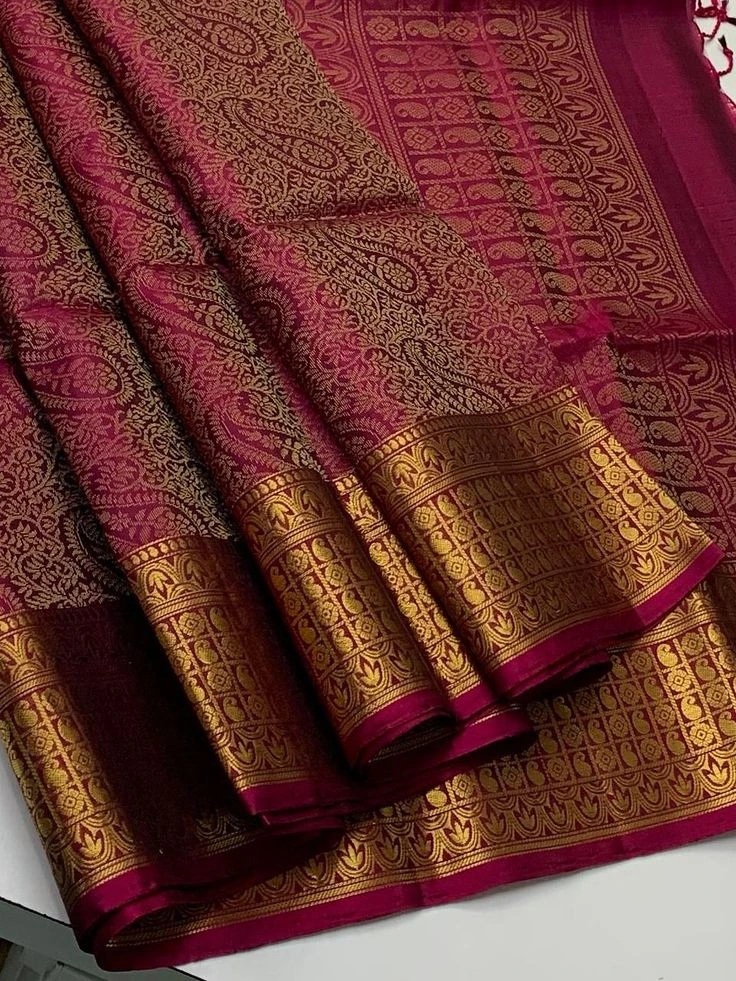
Artificial Silk Saree
What Is Artificial Silk?
An artificial silk saree is made from synthetic or semi-synthetic fibers such as rayon, polyester, nylon, or viscose. These fabrics are designed to mimic the look of real silk at a much lower cost, making them popular for everyday wear and budget-friendly occasions.
Artificial silk is often marketed under names like:
- Art silk
- Faux silk
- Silk blend
- Synthetic silk
Characteristics of Artificial Silk Sarees
- Made using chemical processes
- Highly shiny and glossy
- Less breathable compared to pure silk
- Feels smooth but lacks natural warmth
- More affordable
- Easier to maintain
While artificial silk sarees can look beautiful, especially for short-term or casual use, they do not offer the durability, comfort, or prestige of pure silk.

Why It’s Important to Know the Difference
Understanding the difference between pure silk and artificial silk helps you:
- Avoid overpaying for imitation products
- Make informed purchase decisions
- Ensure comfort and durability
- Preserve traditional craftsmanship
- Build trust with authentic sellers
For brides, collectors, and silk lovers, identifying genuine silk is especially crucial.
Tips to Distinguish Between Pure and Artificial Silk Sarees
Here are practical and reliable methods to help you identify pure silk from artificial silk:
1. The Touch Test
Pure Silk:
- Feels soft, smooth, and warm to touch
- Adjusts to body temperature quickly
- Feels rich and luxurious
Artificial Silk:
- Feels slippery or overly smooth
- Often feels cool or plasticky
- Lacks the natural softness of silk
👉 Tip: Rub the fabric between your fingers. Pure silk gives a soft, slightly grainy feel.
2. The Shine Test
Pure Silk Sarees:
- Have a natural, subtle sheen
- Change color slightly when viewed from different angles
Artificial Silk Sarees:
- Appear overly shiny and uniform
- Reflect light strongly in one shade
Natural silk reflects light softly, while artificial silk looks glossy and flat.
3. The Ring Test
Try passing the saree fabric through a ring:
- Pure silk glides smoothly through the ring
- Artificial silk may bunch up or resist
This test works best with lighter silk fabrics.
4. The Burn Test (Only If Possible)
⚠️ Perform this test only on loose threads.
Pure Silk:
- Burns slowly
- Smells like burnt hair
- Leaves soft ash that crumbles easily
Artificial Silk:
- Melts or burns quickly
- Smells like plastic
- Leaves hard, bead-like residue
This is one of the most accurate ways to identify pure silk.
5. The Price Test
If the price seems too good to be true, it probably is.
- Pure silk sarees are expensive due to raw material cost and craftsmanship
- Artificial silk sarees are significantly cheaper
Authentic silk always carries a premium value.
6. Check the Weave and Texture
Pure Silk Sarees:
- Slight irregularities due to natural fibers
- Handwoven silks show craftsmanship details
Artificial Silk Sarees:
- Perfectly uniform
- Machine-made appearance
Natural imperfections are actually a sign of authenticity.
7. Moisture Absorption Test
Place a small drop of water on the fabric:
- Pure silk absorbs moisture quickly
- Artificial silk repels or absorbs slowly
Pure silk is breathable and moisture-friendly.
8. Look for Silk Mark Certification
In India, genuine silk products often carry the Silk Mark issued by the Silk Mark Organisation of India.
- Guarantees authenticity
- Ensures you are buying pure silk
- Recommended for premium purchases
Always ask the seller about certification when buying pure silk sarees.
Pure Silk vs Artificial Silk: A Quick Comparison
| Feature | Pure Silk | Artificial Silk |
|---|---|---|
| Fiber Type | Natural | Synthetic |
| Shine | Soft & natural | High & glossy |
| Comfort | Highly breathable | Less breathable |
| Durability | Long-lasting | Moderate |
| Cost | Expensive | Affordable |
| Maintenance | Delicate care | Easy care |
How to Care for Pure Silk Sarees
Once you invest in pure silk, proper care ensures longevity:
- Dry clean only
- Store in breathable cotton cloth
- Avoid direct sunlight
- Refold periodically to prevent creases
With the right care, pure silk sarees can last for generations.
Final Thoughts
Knowing how to identify pure silk from artificial silk empowers you to shop smarter and appreciate the true value of silk. While artificial silk has its place in affordable fashion, nothing can replace the elegance, comfort, and heritage of authentic silk.
Whether you are buying for a wedding, festive occasion, or collection, understanding these differences ensures you invest wisely in pure silk sarees that truly stand the test of time.
If you’re ever in doubt, trust reputable sellers, check for certification, and rely on your senses—because pure silk doesn’t just look luxurious, it feels luxurious.